Water Damage
Sewage Backup Cleanup in Miami: What Homeowners Should Know
By Clear Restoration · · 6 min read
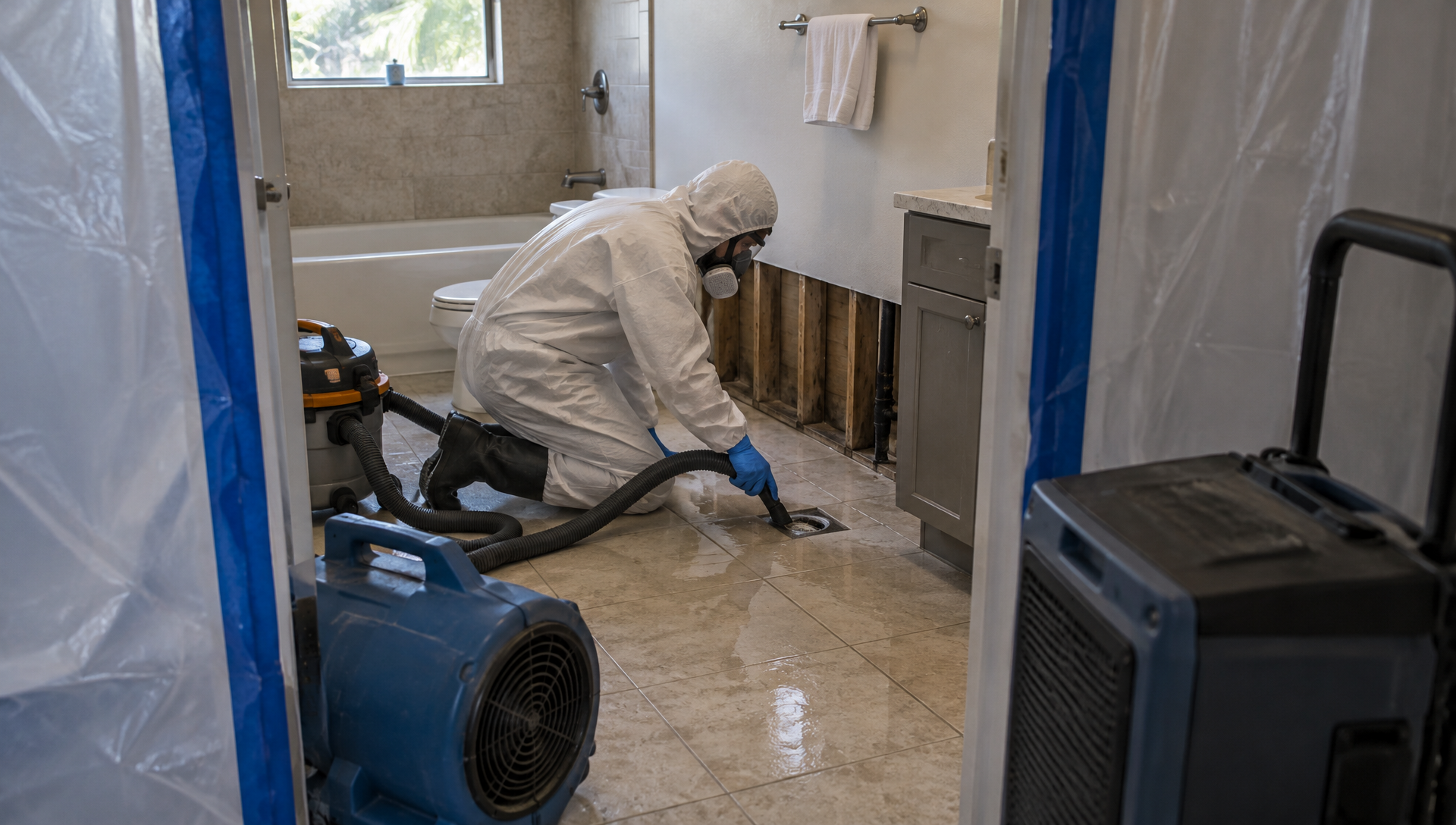
Few things feel worse than watching dirty water rise out of a floor drain, toilet, or tub. If you are dealing with a sewage backup, cleanup in Miami homes needs a different approach than a clean-water leak. Sewage can carry bacteria and other contaminants, and in our warm, humid climate, wet materials do not stay a small problem for long. Here is what to do first, what to avoid, and what professional sewage backup cleanup actually involves.
Why Sewage Is Different From Other Water Damage
Restoration pros sort water losses by how contaminated the water is. A broken supply line usually starts out as clean water. Sewage is at the other end of the scale. It is treated as Category 3, or grossly contaminated, water because it can contain bacteria, viruses, and other material you do not want in your living space.
That changes the whole job. With clean water, many soaked materials can be dried in place. With sewage, porous items that absorbed the water, like carpet, pad, and the lower section of drywall, often cannot be safely cleaned and may need to be removed. Hard surfaces that stay usable still need to be cleaned and sanitized, not just dried. The exact plan depends on how far the water spread and how long it sat.
What Causes Sewage Backups in South Florida Homes
Every home is different, but a few causes show up again and again around Miami-Dade and the rest of South Florida:
- Clogged or damaged sewer lines, often from grease, wipes, or tree roots
- Heavy rain that overwhelms drainage and pushes water back toward the house
- Storm and flood conditions during hurricane season
- Septic system problems in homes that are not on city sewer
- Aging plumbing in older homes and condos
First Steps to Take Before Sewage Backup Cleanup in Miami
Your first job is keeping people safe. Once that is handled, a few simple steps can limit the spread while you get help on the way.
- Keep children and pets out of the affected area
- Stop using sinks, toilets, showers, and appliances that drain into the same line
- If water is near outlets or appliances, shut off power at the breaker only if you can reach it from a dry spot
- Avoid walking through the water, and wear gloves and boots if you must enter
- Take photos and video of the water, the source, and damaged belongings before anything is moved
- Call a professional restoration company to assess the loss
What Not to Do After a Sewage Backup
It is natural to want to grab a mop and get it over with. With sewage, though, a few common moves can make things worse or put your health at risk.
- Do not use a household vacuum or shop vac that you plan to keep using afterward
- Do not run fans that blow air across the contaminated area into the rest of the home
- Do not try to save soaked carpet, pad, or upholstery on your own
- Do not mix cleaning chemicals, especially bleach and ammonia
- Do not assume the area is safe just because the water drained away
How Professional Sewage Cleanup Works
Every job starts with an assessment. Technicians look at where the water came from, how far it traveled, and which materials it reached. Moisture meters and thermal imaging help show where water moved behind baseboards and under flooring, which is the same kind of moisture mapping covered in our post on where water damage hides after a leak.
From there, the work usually follows a clear order. Standing water and waste are extracted. Contaminated porous materials that cannot be saved are removed and bagged. Remaining surfaces are cleaned and sanitized. Then air movers and dehumidifiers dry the structure, with readings taken along the way so the team can confirm the area is actually dry before repairs begin. Drying matters here just as much as cleaning, because damp materials in South Florida can support mold growth if they are not handled properly.
Clear Restoration handles sewage and contaminated water cleanup as part of its water damage restoration services, along with water extraction, structural drying, sanitizing, and repairs to put the space back together.
Sewage Backups and Mold Risk
A sewage backup leaves behind two problems: contamination and moisture. Even after the visible mess is gone, wet subfloors, wall cavities, and cabinet bases can stay damp. That is why thorough drying and verification are part of a complete cleanup.
If you notice a musty smell, staining, or condensation in the weeks after a backup, it is worth having the area checked. Our mold remediation team can help, and our guides on the signs of hidden mold and humidity control after mold remediation explain what to watch for in a humid Miami home.
A Cautious Word on Insurance
Insurance for sewage backups is not one size fits all. Some homeowners policies exclude sewer or drain backup unless you added a specific endorsement, and flood-related water is often handled under separate flood coverage. Coverage varies by policy, so the best step is to review your policy and talk with your agent or adjuster.
What you can control is documentation. Photos, video, a list of damaged items, and the restoration company's moisture readings and scope of work give your adjuster a clear picture of the loss. Clear Restoration documents each job and can work with your insurance company on the paperwork.
Sewage Backup Cleanup Help in Miami-Dade and Beyond
Clear Restoration is locally owned and has served South Florida since 2013, with 24/7/365 help for homeowners in Miami, Miami Beach, Hialeah, Coral Gables, Doral, Kendall, Homestead, and across Miami-Dade, Broward, and Palm Beach counties. If a backup started after a storm, our hurricane season water damage checklist and our guide to the first 24 hours after water damage can help you plan your next steps. The team also provides fire and smoke restoration if your home has more than one kind of damage to deal with.
Dealing with a sewage backup right now? Call Clear Restoration at (305) 828-0287 for 24/7/365 sewage and contaminated water cleanup across South Florida. Keep everyone out of the affected area, avoid touching the water, and let the team assess the loss and build a documented cleanup and drying plan.
Frequently asked questions
Can I clean up a sewage backup myself?
A very small backup confined to a hard surface like tile may be manageable with protective gear, but sewage is contaminated water. When it reaches carpet, drywall, cabinets, or more than one room, professional cleanup and sanitizing is the safer choice.
Does homeowners insurance cover sewage backup?
It depends on your policy. Many policies exclude sewer or drain backup unless a specific endorsement was added, and flood water is often covered separately. Review your policy and ask your agent or adjuster.
Will my carpet need to be replaced after a sewage backup?
Carpet and pad soaked by sewage often cannot be safely cleaned and are usually removed. The final decision depends on the materials and how far the water spread, which is confirmed during the assessment.